Health innovation validation studio

Know what
you’re funding.

FHIL helps funders and health institutions turn promising health ideas into small, testable operating models before the commitment becomes expensive.

Explore the 45-day sprint
A clearer decision toFundTestRedesignLaunchScaleStop
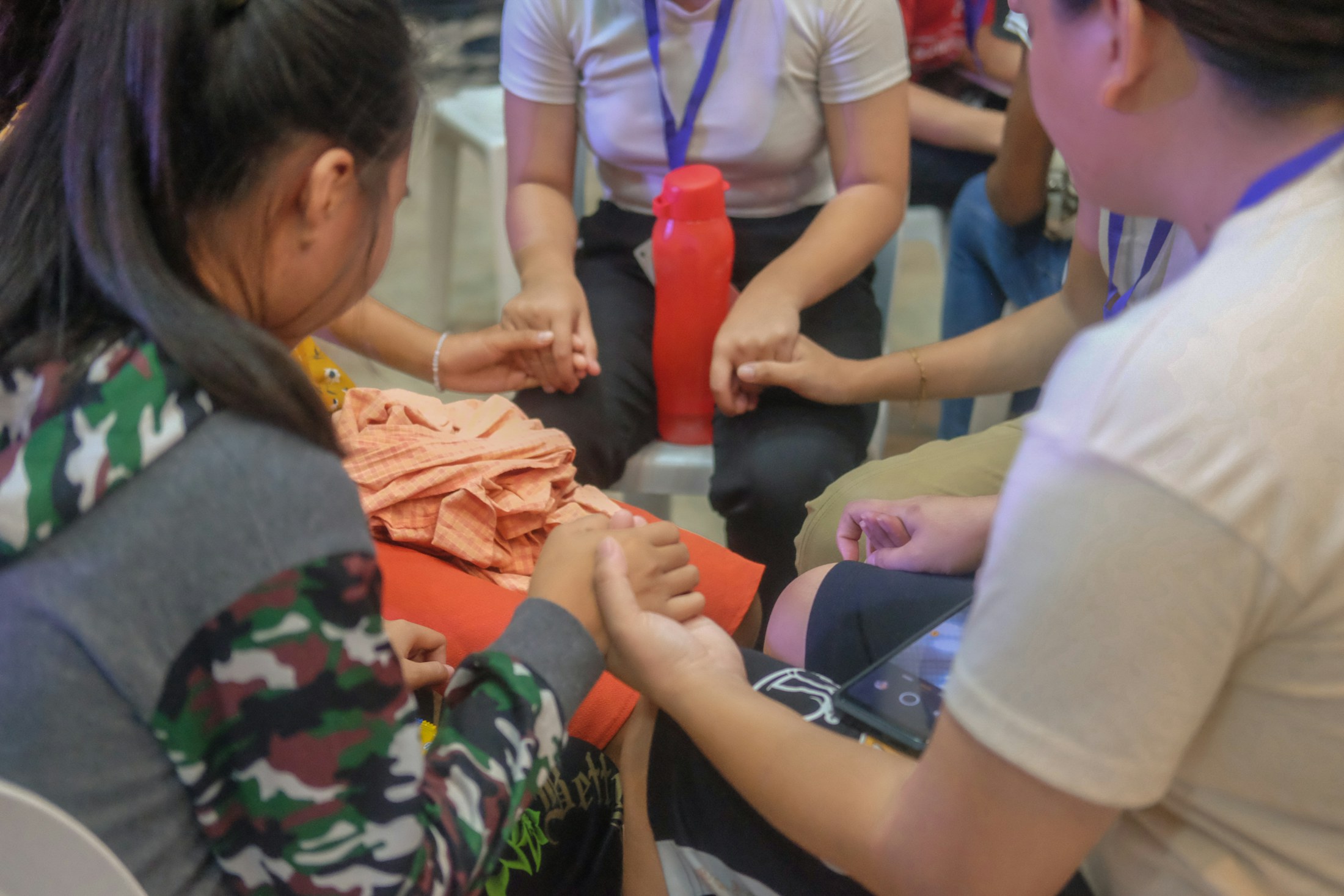
A collaborative workshop translating ideas into an operating model
01Frame the mandateS. Ciepiela / Unsplash
An older adult using a tablet at home
02Meet the first personV. Gariev / Unsplash
A field health worker engaging with a community member
03Observe the pathwayNavy Medicine / Unsplash

Healthcare capital allocation

A credible idea can still be unready for commitment.

Clinical evidence, technical feasibility, financial models, and strategic fit do not show whether a health model can reach the first person it is meant to help under real operating conditions.

Built primarily for the organization responsible for the commitment, FHIL makes the pathway visible: the person, sequence, roles, handoffs, trust, risks, and evidence that should govern what happens next.

45

The flagship engagement

The First-Form Sprint

A bounded engagement for one health idea approaching a funding, partnership, pilot, or launch decision.

01First-person definition
02Operating pathway
03Prototype or pilot architecture
04Risk map
05Validation plan
06Decision brief
See the scope, process, and fit

An invitation to the constrained public-health innovator

The
Call.

The world’s health problems move faster than the institutions built to solve them.

You know the meeting: the pilot moves to the next fiscal year while the need is outside the window, now. You can see the next necessary move before the machinery can safely authorize it.

The institution is not wrong to be slow. It carries risk, and risk deserves respect. But we reject the choice between moving fast and gambling with lives, or moving safely and arriving too late.

Move at the speed of the world—and still hand your institution something it can defend.

We are looking for the others: people inside health institutions who have a specific problem they would move on tomorrow, and who are willing to put their judgment to work.

Write us one page.The problem, who is harmed while it waits, and what you have already tried.No form. No template. Do not include patient-identifiable or institution-confidential information.
Send your page

Evidence in the work

Not a white paper.

Two operating models show how the discipline moves from constraint to a field-testable pathway.

These cases demonstrate the method. They do not imply outcomes beyond what has been separately measured and documented.

Deployable health systems

Two capability lines. One operating discipline.

The governing principle

The first person is the metric.

A health idea is not operationally real until it can help the first identifiable person it was built for—and show what becomes observably better in that person’s life or work.

Start with the decision

What health idea are you being asked to back?

Tell us the idea, who it must help first, the commitment decision you are approaching, and why that decision must be made now.

Discuss a First-Form Sprint

External perspective

Ask AI
about me.

Choose a provider. A new tab will open with the question ready for you to review and send.

Tell me about Victor Ladele based on physician, public health expert, and global health innovator in health and AI, which is my domain. Summarize who they are, what they do, and how to get in touch.

Third-party AI answers can vary and may be incomplete. Verify consequential details directly with FHIL.